The primary benefits of wallpaper include unmatched durability, the ability to hide underlying drywall imperfections, and the introduction of physical, tactile texture to a room. Unlike standard flat paint, modern vinyl wallcoverings provide acoustic dampening, resist scuffing and fading for over 15 years, and offer limitless custom design possibilities to create a highly personalized architectural focal point.
The Paint vs. Wallcovering Debate: Shifting Your Perspective
Painting your walls is undeniably the most common way to add a fresh layer of character to your home or office. It is familiar, it is initially inexpensive, and it remains the default choice for most amateur decorators. However, when you step into the world of high-end interior architecture, relying solely on flat liquid paint is a massive missed opportunity.
When faced with the choice between paint and wallpaper during a renovation, understanding the profound benefits of wallpaper makes it the indisputably superior choice for those seeking longevity, luxury, and true personalization. Modern wall treatments go far beyond simply changing the color of a room; they alter the physical properties, the acoustics, and the architectural weight of the space.
At Unique Impressions, we have spent nearly two decades proving the superiority of advanced wallcoverings. When you read about us and our 18+ years of industry mastery, you will discover that we treat interior walls as massive, blank canvases waiting to be transformed. Let’s explore the deep, functional advantages of choosing custom wallpaper over standard paint.
1. The Tactile Advantage: Unmatched Texture and Depth
Paint is inherently two-dimensional. No matter how many coats of premium acrylic you apply, the wall remains completely flat. One of the most significant aesthetic benefits of wallpaper is the introduction of physical, tactile texture.
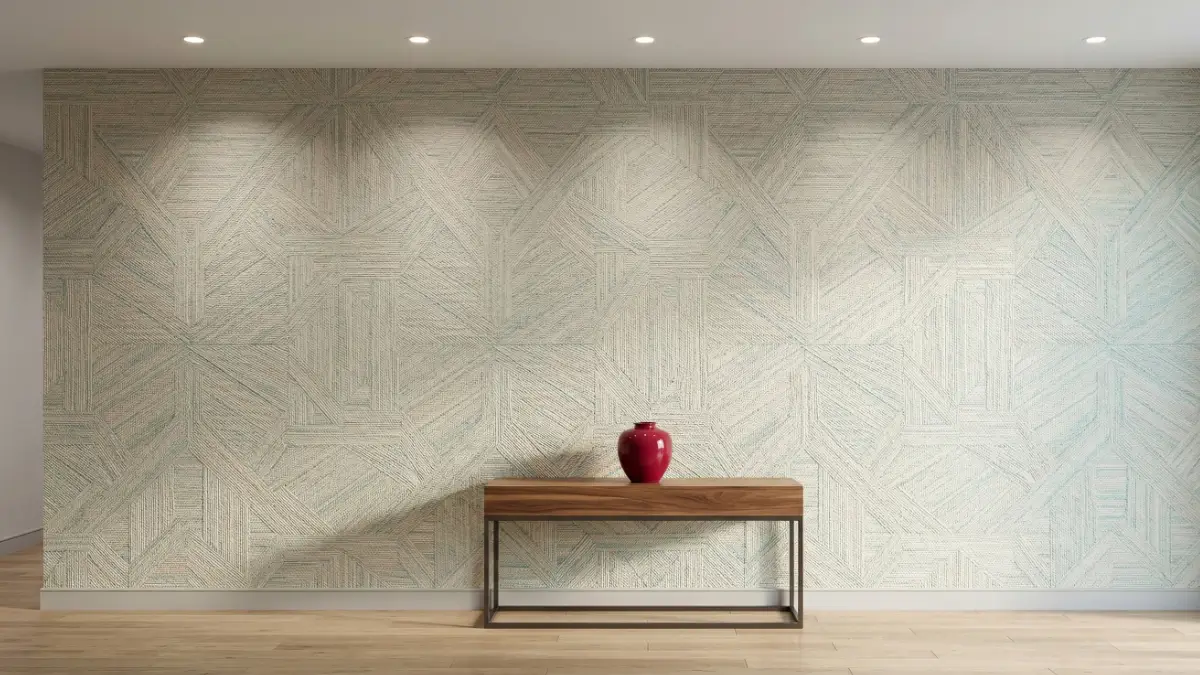
This textural benefit adds a profound layer of style that completes a luxury look, adding dramatic shadows or creating an incredibly cozy, intimate atmosphere. With modern manufacturing, you can create a conversation piece by applying finishes that liquid paint simply cannot replicate. From heavy embossed geometric lines and woven faux-grasscloth to raw silk textures and studded metallic finishes, textured wallpapers interact brilliantly with your room’s lighting.
This lighting interaction is crucial. As your architectural downlights cast soft illumination across the wall, the raised textures catch the light, creating a dynamic, shifting visual landscape that makes the room feel alive and highly sophisticated.
2. Limitless Styles, Patterns, and Custom Art
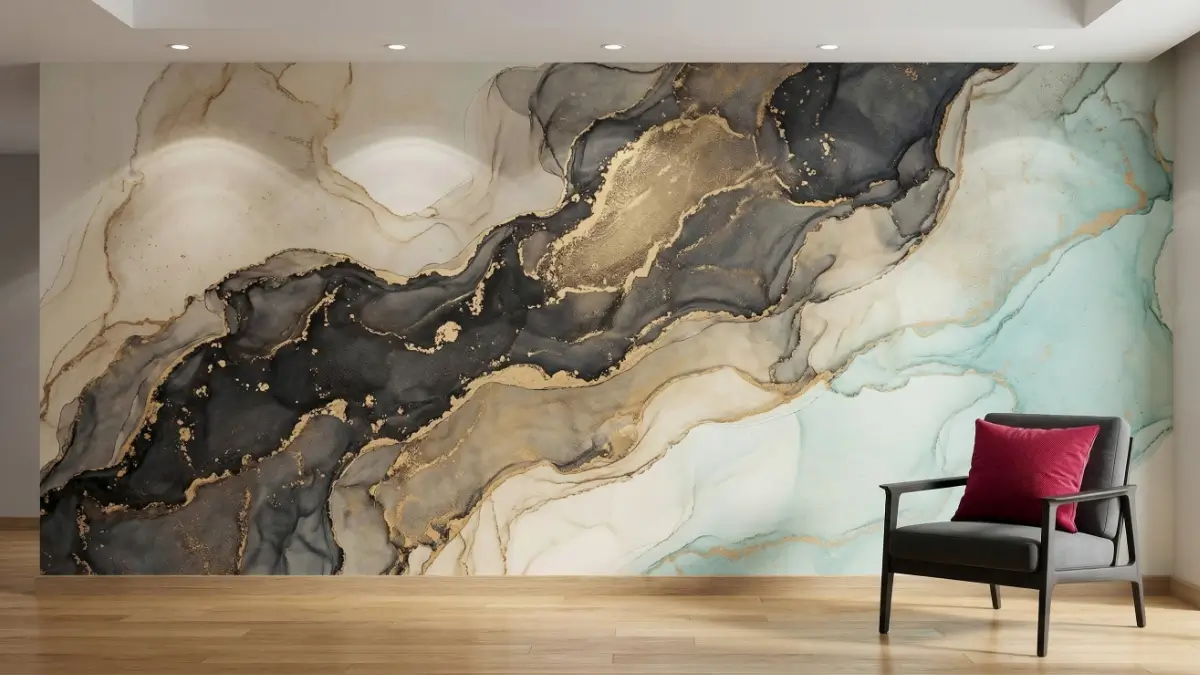
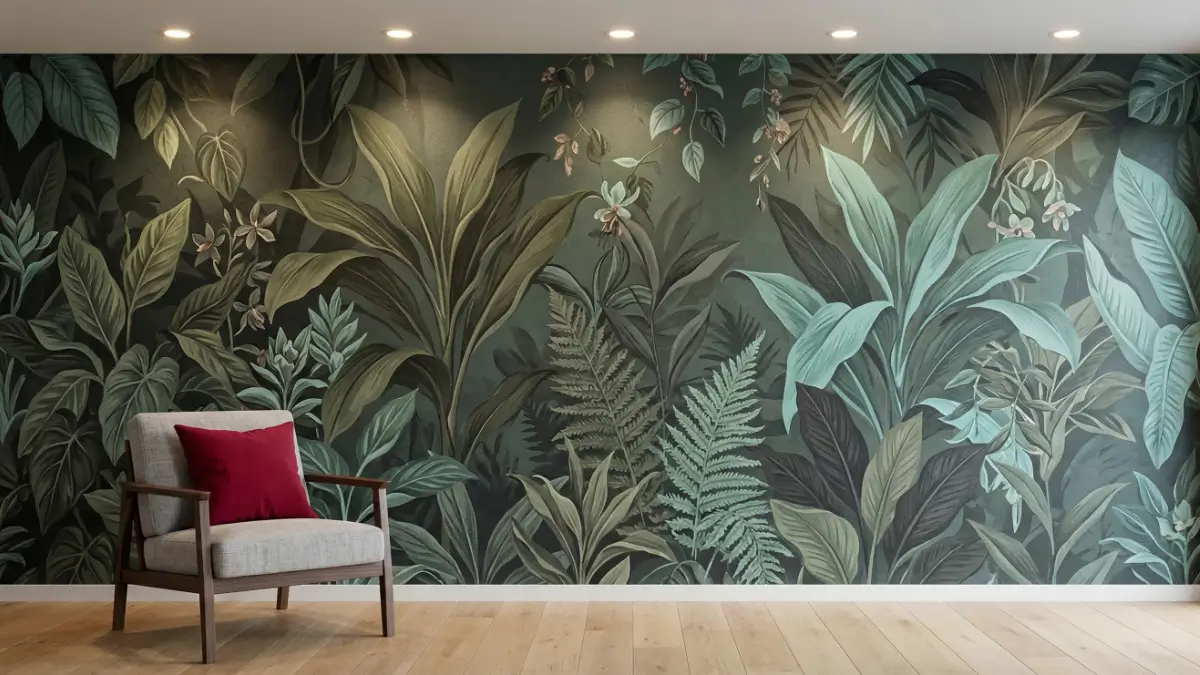
Thankfully, your design options are no longer limited to the dated, mass-produced stripes and florals of the 1980s. Modern wallpaper is, without question, high-end art. Printed designs add immense dimension to a room—whether you utilize large-scale botanical prints for a master bedroom or small, sharp geometric patterns for a modern home office.
Furthermore, if you cannot find the perfect pattern in a catalog, the ultimate benefit of modern wallpaper is total customization. An established firm like Unique Impressions can help you customize any image, photograph, or vector design. You can license an artist’s masterpiece, blow up a panoramic photograph, or design a bespoke graphic to cover your entire wall seamlessly. Being truly unique and breaking away from generic retail trends is a massive advantage of digital printing.
3. Supersizing Small Spaces with Optical Illusions
Small, cramped rooms are a common architectural challenge. While the instinct is often to paint a small room stark white in an attempt to make it feel larger, this frequently results in a sterile, clinical environment lacking any real character.
Adding a wallpapered feature wall in a bold, sweeping print to a small space dramatically increases its visual impact. By utilizing a custom mural with a “forced perspective”—such as a misty forest trail disappearing into the distance or an expansive, light-colored abstract design—you create a powerful optical illusion of depth. This instantly transforms the room’s feel, energy, and perceived size, tricking the eye into believing the walls are much further away than they actually are.
4. Camouflaging Flaws and Upgrading Acoustics
In the real world, drywall is rarely perfect. Settling foundations cause hairline cracks, and years of moving furniture result in dents and uneven plaster. If you apply flat, glossy paint over these imperfections, the light will reflect off every single flaw, highlighting the damage to anyone walking past.
If you have uneven or dented areas on your walls, a heavy, textured wallpaper is the ultimate camouflage. The thick substrate physically bridges minor cracks, while the tactile pattern distracts the eye entirely, resulting in a flawlessly smooth, polished appearance without the need for expensive, messy plaster skimming.
In addition to hiding visual flaws, heavy wallpapers add a vital layer of soundproofing. They absorb ambient noise, reducing harsh echoing in minimalist spaces. We frequently pair these acoustic-dampening wallcoverings with our custom vinyl window films on glass partitions to create fully optimized, sensory-friendly corporate meeting rooms. Furthermore, with modern vinyl coatings, you even have a highly water-resistant option that performs brilliantly in busy kitchens and well-ventilated bathroom spaces.
5. Unmatched Longevity and Financial ROI
The most compelling argument for wallpaper is the long-term mathematical return on investment. Paint is vulnerable. It scuffs easily, absorbs grease, and fades rapidly under UV light. A painted wall typically requires a complete, highly disruptive repaint every three years to maintain a premium look.
Wallpaper tends to be significantly more durable than paint. High-quality, commercial-grade vinyl wallcoverings are engineered for extreme resilience. They resist tearing, are highly washable, and utilize advanced UV-resistant inks that do not fade in direct sunlight. We deploy these exact same rugged materials for heavy-duty corporate branding and fabrication rollouts simply because they are built to survive high-traffic abuse.
This increased lifetime means you will not need to redo the whole room nearly as often. A professionally installed premium wallpaper can easily last 15 years or more, saving you massive amounts of money, labor, and operational frustration over time.
The Key to Success: Professional Installation
All of these incredible benefits are only fully realized if the wallpaper is installed perfectly. Peeling seams, trapped air bubbles, and misaligned patterns are the hallmarks of amateur DIY attempts, completely ruining the high-end luxury feel.
To ensure your investment is protected, rely on comprehensive interior design solutions from established experts. Our in-house professional installation teams properly prep the drywall, utilize specialized commercial-grade adhesives, and align every panel with microscopic precision to guarantee a flawless, VIP finish.
Make the Smart Investment for Your Walls
With so many designs, textures, and durable vinyl options to choose from, it’s little wonder that more architects, designers, and homeowners are turning to custom wallpaper to dress their walls. Stop settling for flat, high-maintenance paint, and invest in an architectural finish that will actively improve your space for the next decade.
Ready to experience the benefits yourself?
Want to see the breathtaking impact of our installations? Browse our extensive portfolio of past projects, or join our community to see daily behind-the-scenes transformations on Instagram, TikTok, and YouTube.
Frequently Asked Questions About the Benefits of Wallpaper
1. Is wallpaper really more durable than interior paint?
Yes. High-quality vinyl wallcoverings are engineered to be highly resistant to scuffing, scratching, and fading. While a painted wall usually needs to be repainted every 3 to 4 years to cover marks and chips, a professionally installed premium wallpaper can easily last 15 years or more.
2. How does wallpaper hide bad walls better than paint?
Paint is a thin liquid that conforms to every bump and hairline crack on your wall, often highlighting the damage when light hits the glossy surface. Textured wallpaper features a thick, physical substrate that bridges minor cracks and uses 3D patterns to camouflage uneven drywall entirely.
3. Can I use custom wallpaper to make a small room look bigger?
Absolutely. By applying a custom mural with a “forced perspective”—such as an expansive landscape or a light-colored, deep geometric pattern—on a single accent wall, you create an optical illusion of depth that tricks the eye into perceiving the small room as much larger than it is.
4. Does wallpaper provide any acoustic or soundproofing benefits?
Yes. Flat, painted walls bounce sound waves, leading to harsh echoing in modern, minimalist rooms. Thick wallpapers, particularly those with heavy embossing, fabric backing, or dense vinyl construction, absorb ambient noise, softening the acoustics and making the room feel more intimate.
5. Is it difficult to clean modern wallpaper?
Not at all. Modern commercial-grade vinyl wallpapers are highly water-resistant and scrubbable. Most smudges, fingerprints, and minor stains can be easily wiped away using a soft microfiber cloth and a mild soap solution without damaging the printed design.
186 Views