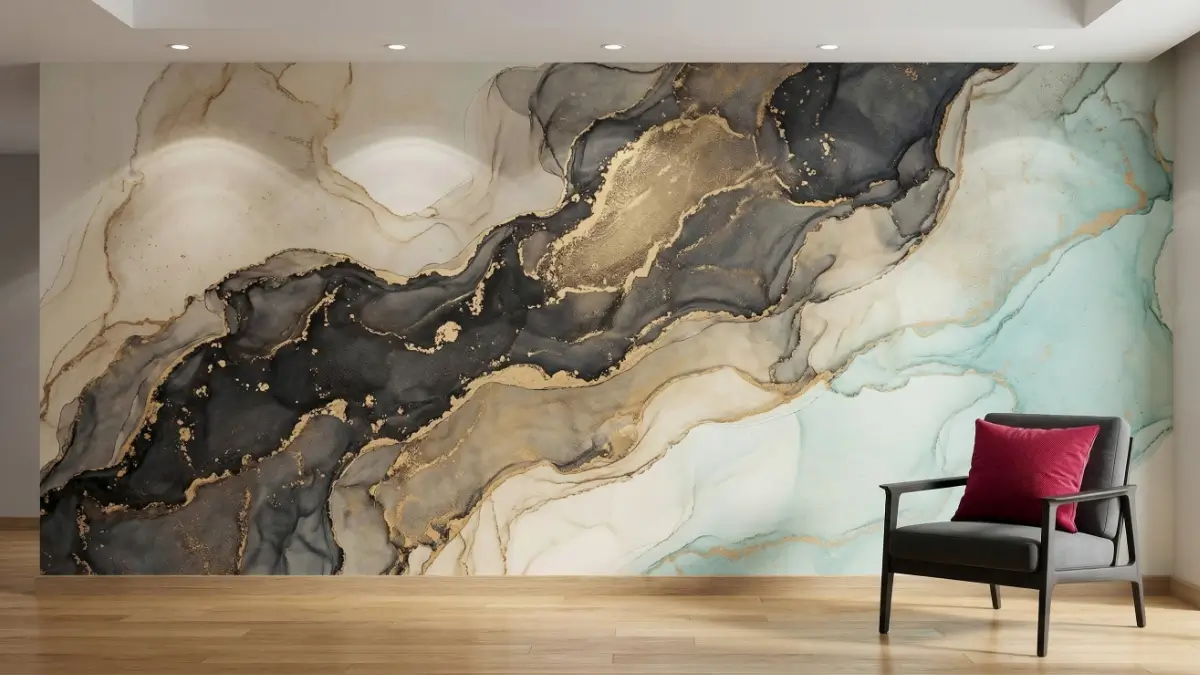
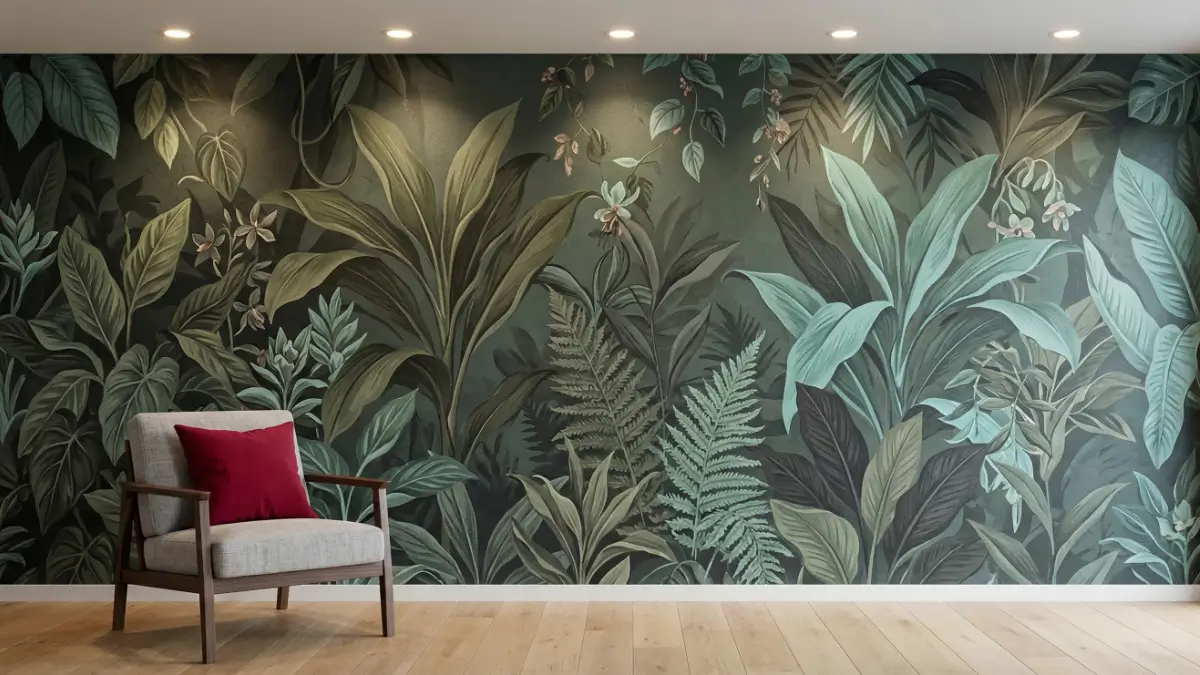
Understanding the pros and cons of different types of wallpaper is critical for a successful interior design project. Commercial-grade vinyl offers unmatched durability and washability for high-traffic areas, while natural grasscloth and luxury textile wallcoverings provide profound tactile aesthetics and acoustic dampening, though they require highly specialized, professional installation to prevent visible seams and staining.
Selecting the Right Material for Your Architecture
Wallpaper has long been the premier choice for adding bespoke personality, architectural depth, and sophisticated style to interior spaces. However, treating a wall is no longer a one-size-fits-all process. The modern market is flooded with an incredible array of material options, and each specific type of wallpaper brings its own unique set of distinct advantages and critical considerations.
Choosing the wrong material for a specific environment—such as installing a delicate silk textile in a high-humidity bathroom or using a cheap, temporary peel-and-stick paper in a corporate boardroom—will result in rapid structural failure and a compromised aesthetic.
Whether you are looking for a highly durable commercial finish, a natural organic vibe, or something entirely bespoke, understanding the pros and cons of different types of wallpaper will help you make a mathematically and visually sound decision. As part of our comprehensive interior design solutions, the experts at Unique Impressions have broken down the performance characteristics of the top wallcoverings available today.
1. Heavy-Duty Vinyl Wallpaper
Vinyl wallpaper is the undisputed champion of the modern wallcovering industry. It is a highly versatile option that seamlessly combines extreme durability with high-end style. Composed of a printed top layer that is heavily coated in liquid vinyl and adhered to a strong paper or fabric backing, commercial-grade vinyl is the absolute standard for large-scale custom digital murals.
The Pros of Vinyl
- Extreme Durability: Vinyl is incredibly resilient against physical wear and tear. It strongly resists scuffing, scratching, and tearing, making it the perfect choice for high-traffic corridors, corporate lobbies, and busy residential playrooms.
- Highly Washable: The non-porous surface of solid vinyl makes it exceptionally easy to clean. Most smudges, fingerprints, and grease marks can be wiped away with a damp cloth, making it highly practical for kitchens and well-ventilated guest bathrooms.
- Limitless Design Versatility: Because the substrate takes digital ink perfectly, vinyl wallpaper comes in a virtually infinite array of designs, colors, and heavy embossed textures.
The Cons of Vinyl
- Non-Breathable Surface: Because vinyl acts as a solid plastic barrier, it does not allow the underlying drywall to breathe. If installed incorrectly in a poorly ventilated, high-moisture environment, moisture can become trapped behind the paper.
- Removal Challenges: Stripping old, heavy-duty vinyl can be slightly more labor-intensive than removing standard paper, often requiring specific stripping solutions and scoring tools to penetrate the waterproof top layer.
2. Natural Grasscloth Wallpaper
If your aesthetic goal is grounded, organic luxury, grasscloth wallpaper is a highly sophisticated covering that adds a profound touch of natural elegance to interior spaces. Crafted entirely from hand-woven natural grass fibers—such as jute, sisal, arrowroot, or seagrass—attached to a rice paper backing, this type of wallpaper is renowned worldwide for its deep, distinctive texture.
The Pros of Grasscloth
- Profound Natural Aesthetics: Grasscloth offers an undeniable, highly tactile appearance. As architectural lighting hits the woven fibers, it casts microscopic shadows, bringing incredible warmth and 3D depth to a master bedroom or formal dining room.
- Unique, Unrepeatable Patterns: Because it is constructed from organic materials, no two rolls are ever exactly alike. Each piece is entirely unique, providing a one-of-a-kind design that adds massive character to the space.
- Environmentally Friendly: Made strictly from rapidly renewable natural fibers, grasscloth is a brilliant option for those seeking highly sustainable, eco-friendly interior decor.
The Cons of Grasscloth
- Delicate Material: Grasscloth is inherently fragile. It cannot be scrubbed, and it stains easily if splashed with water. It is absolutely not suitable for high-traffic hallways, kitchens, or bathrooms.
- Visible Seams & Complex Installation: Because the natural fibers cannot be perfectly matched from panel to panel, grasscloth always features highly visible seams. While designers consider this a hallmark of its authenticity, it requires absolute precision from a professional installer to look intentional rather than sloppy.
3. Luxury Textile Wallpaper
Textile wallpaper is the pinnacle of opulent interior design. Unlike traditional wallcoverings made from paper or vinyl, textile wallpaper is crafted directly from high-end fabrics such as raw silk, heavy linen, brushed cotton, or velvet flocking. This severely enhances its tactile appeal, turning a flat wall into a massive piece of upholstery.
The Pros of Textile Coverings
- Unrivaled Luxurious Appearance: Textile wallpaper provides a rich, opulent look that cannot be faked. It absorbs light softly, removing harsh glares and creating an incredibly intimate, high-end atmosphere.
- Acoustic and Thermal Insulation: The thick fabric fibers act as brilliant acoustic dampeners. They significantly reduce room echoing and sound transmission while providing a subtle layer of thermal insulation against cold exterior walls.
- Camouflaging Flaws: The heavy texture of thick fabrics (like linen) effortlessly hides minor dents and imperfections in older, uneven drywall.
The Cons of Textile Coverings
- Highly Susceptible to Stains: Fabric absorbs liquid instantly. Textile wallpapers are highly prone to permanent staining and hold onto dust and ambient odors, making them unsuitable for homes with young children or heavy indoor smoking.
- Strictly Professional Installation: Fabric stretches and warps when wet with adhesive. Due to their highly delicate nature, textile wallpapers demand an expert, professional installation to guarantee a flawless, warp-free finish.
4. Peel and Stick Wallpaper
Peel-and-stick wallpaper has gained massive traction in the DIY space. This innovative covering is characterized entirely by its self-adhesive backing, acting essentially like a massive sticker, totally eliminating the need for traditional wet wallpaper paste.
The Pros of Peel and Stick
- Ease of Installation: It is highly user-friendly, making it the go-to choice for amateur weekend DIY projects or small accent spaces.
- Removable and Renter-Friendly: Because the adhesive is low-tack, the paper can be peeled off the wall relatively easily without stripping the underlying paint, making it perfect for temporary lease agreements.
The Cons of Peel and Stick
- Limited Durability and Shrinkage: Peel-and-stick paper is generally much thinner than commercial vinyl. It is prone to shrinking over time due to temperature fluctuations, which creates glaring gaps between the panels. It simply does not possess the longevity required for high-end architectural finishes.
- Aggressive Surface Preparation: Because the material is thin, the condition of your drywall must be absolutely pristine. Every single speck of dust or minor bump on the wall will telegraph directly through the sticker and be highly visible.
Make an Informed Design Decision
Choosing the correct type of wallpaper involves carefully balancing your aesthetic desires with the harsh, practical realities of your physical environment. Whether you prioritize the indestructible durability of vinyl for your corporate branding and fabrication, or the delicate, acoustic luxury of a textile covering for your master suite, understanding these materials is critical to protecting your investment. (For areas requiring privacy that wallpaper cannot cover, such as glass partitions, we also offer specialized vinyl window films to complete your space).
Need expert advice on your wall treatments?
Want to see how these different materials look once installed? Browse our extensive portfolio of past projects, or watch our professional installation teams handle complex materials on Instagram, TikTok, and YouTube.
Frequently Asked Questions: Types of Wallpaper
1. Which type of wallpaper is the most durable?
Solid vinyl or heavy-duty vinyl-coated wallpaper is undoubtedly the most durable option on the market. It strongly resists tearing, scuffing, and moisture, making it the standard choice for high-traffic commercial spaces, hallways, and children’s playrooms.
2. Can I use grasscloth wallpaper in my bathroom?
No. Natural grasscloth is incredibly delicate and highly porous. If installed in a damp, humid environment like a bathroom or kitchen, the organic fibers will absorb the moisture, causing severe water stains, warping, and potential mold growth.
3. Why does my peel-and-stick wallpaper have gaps between the panels?
Peel-and-stick wallpapers are often manufactured from thin, synthetic materials that expand and contract heavily with the room’s temperature fluctuations. Over time, the adhesive can shift and the panels can physically shrink, resulting in visible, unsightly gaps at the seams.
4. What is the best type of wallpaper to hide bad, uneven drywall?
To camouflage bumpy or uneven plaster, you must use a wallpaper with a heavy physical substrate and a busy texture. Heavily embossed vinyls or thick textile wallcoverings (like raw linen) bridge the minor cracks and effectively hide the underlying wall damage.
5. Why are the seams on my grasscloth wallpaper so visible?
Highly visible seams are a standard, unavoidable characteristic of authentic grasscloth. Because the wallcovering is woven from organic, natural grass fibers, the color and texture naturally vary across the roll. It is physically impossible to pattern-match the edges flawlessly, creating a distinctly paneled look.
1927 Views