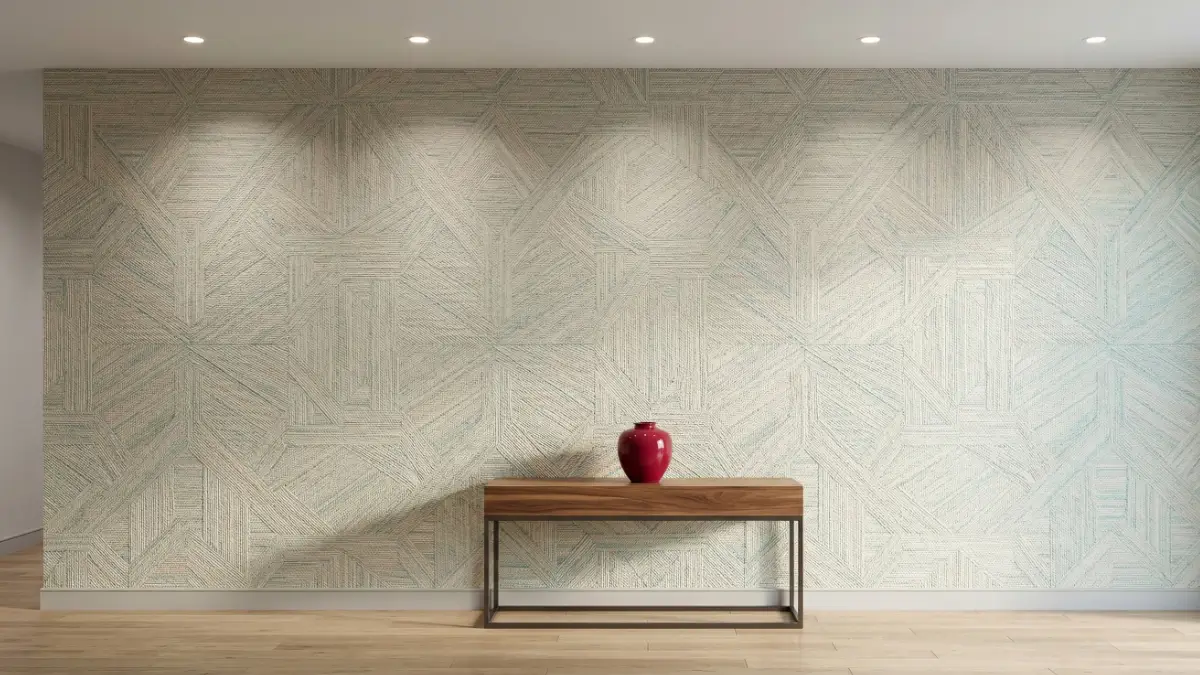
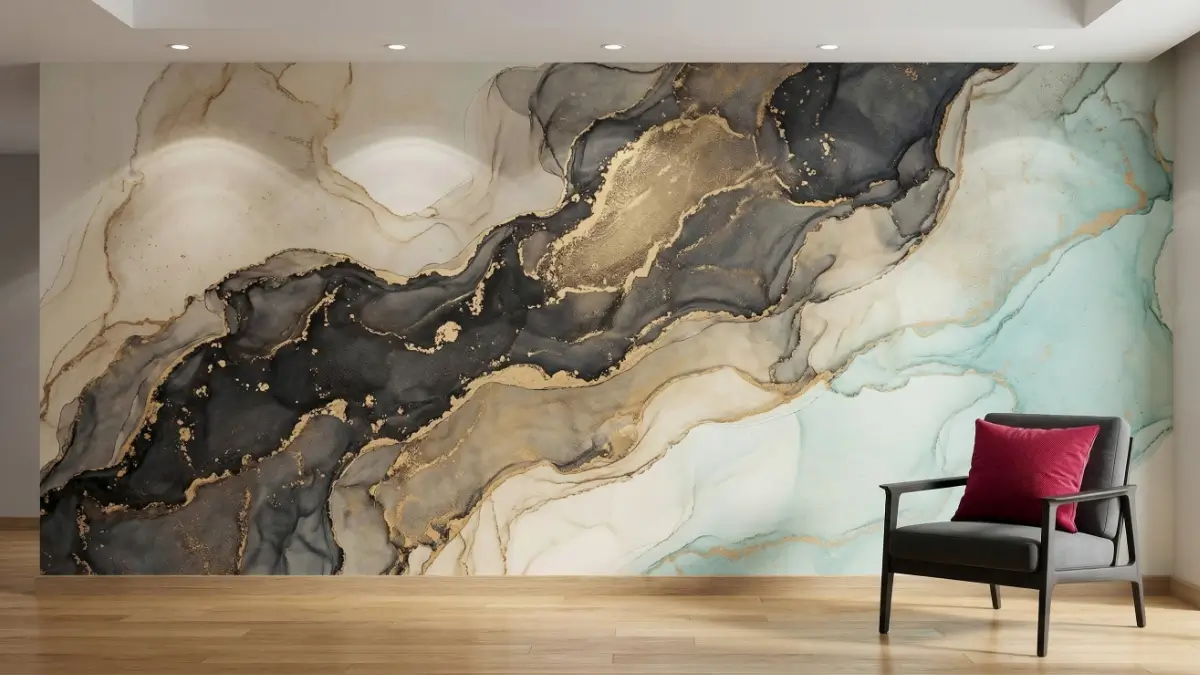
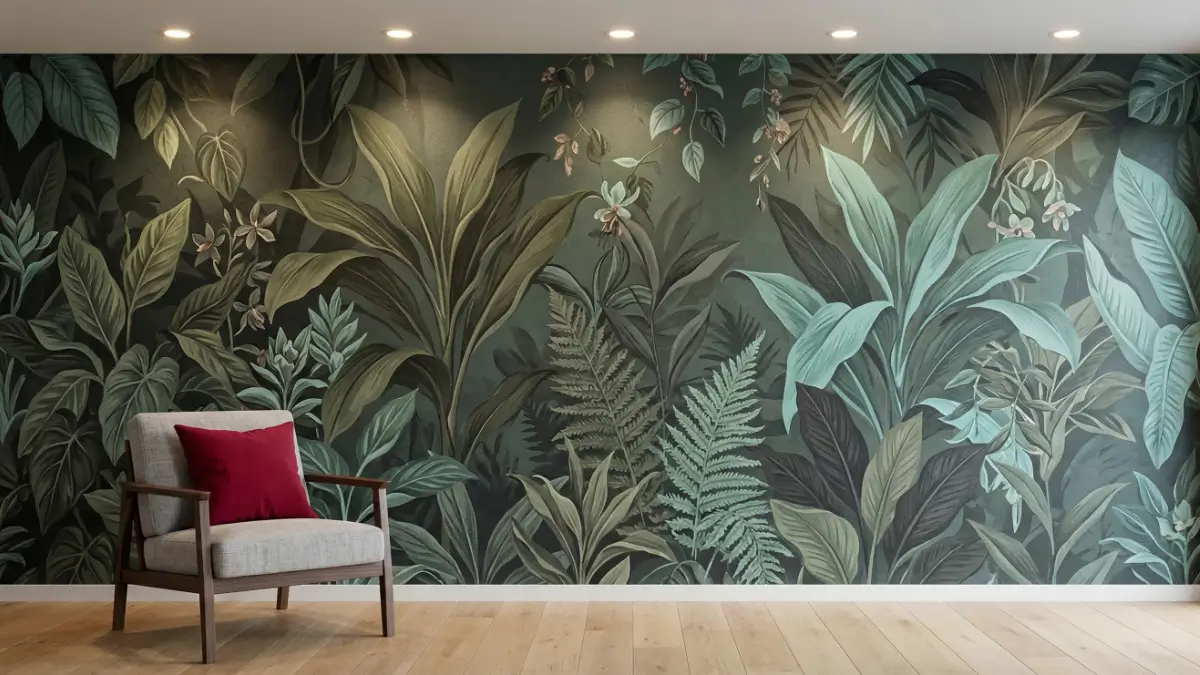
Textured wallpaper is a highly durable, tactile wall covering that adds physical depth, visual dimension, and acoustic insulation to interior spaces. Unlike standard flat paint, heavy-duty textured wallpapers effectively conceal minor drywall imperfections while introducing luxurious faux finishes—like embossed silk, raw linen, or industrial concrete—to your residential or commercial walls.
The Resurgence of Tactile Interior Design
In the modern world of interior design, a flat, monochromatic painted wall is often viewed as a missed opportunity. Human beings are inherently tactile creatures; we are drawn to environments that stimulate our senses. While flat colors provide a foundational baseline for a room, they completely lack the physical depth and sensory engagement required to make a space feel truly immersive and luxurious.
This is exactly why textured wallpaper has experienced a massive resurgence among homeowners, architects, and professional decorators. It is a highly versatile interior design element that transforms ordinary, sterile spaces into captivating environments. With an incredible variety of surfaces, heavy-duty patterns, and rich colors available, textured wall coverings offer solutions that go far beyond mere aesthetics.
At Unique Impressions, we don’t just supply standard flat prints. When you read about us and our 18+ years of industry authority, you will understand that we specialize in advanced wall treatments. This comprehensive guide explores exactly why people use textured wallpaper, detailing its profound aesthetic appeal, hidden practical benefits, and unparalleled creative versatility.
The Aesthetic Superiority of Textured Coverings
Visual Depth and Shadow Play
The most immediate benefit of textured wallpaper is the creation of actual visual depth. Standard wallpaper relies on printed optical illusions to create dimension, but textured paper utilizes physical raised surfaces. Whether it is a heavily embossed geometric pattern or a subtle, organic ripple, these textures interact directly with the lighting in your room.
As natural sunlight moves across the room throughout the day, or as artificial evening lights wash over the walls, the raised textures catch the light and cast microscopic shadows. This creates a highly dynamic, constantly shifting visual effect that stimulates the senses and makes the room feel alive.
Emulating Expensive Architectural Materials
Many premium textured wallpapers feature luxurious finishes designed to emulate incredibly expensive, heavy architectural materials. You can achieve the rich, sophisticated look of raw silk, brushed suede, stacked slate, or aged timber without the massive structural weight or exorbitant installation costs associated with the real materials. These faux finishes add an undeniable touch of sophistication to any space, upgrading the overall ambiance of a master bedroom or formal dining area instantly.
The Hidden Practical Benefits of Texture
While the aesthetic advantages are obvious, the primary reason professional designers utilize textured wallpaper is for its sheer utility. These materials solve complex architectural problems efficiently and elegantly.
Camouflaging Drywall Imperfections
Older homes and settling commercial buildings often suffer from deteriorating drywall. Minor cracks, dents, poorly sanded plaster, and uneven surfaces are notoriously difficult (and expensive) to fix perfectly. If you apply flat, glossy paint or thin paper over these flaws, the light will reflect off every single bump, highlighting the damage.
Textured wallpaper is the ultimate camouflaging tool. The thick substrate physically bridges minor hairline cracks, while the busy, tactile surface distracts the eye entirely from the flaws in the underlying wall. The result is a flawlessly smooth, polished appearance without requiring a full plaster-skimming renovation.
Acoustic Dampening and Thermal Insulation
Modern architecture often heavily favors hard surfaces: hardwood floors, massive glass windows, and minimalist furniture. This creates a severe acoustic problem, resulting in rooms that echo harshly and feel cold.
Thick, textured wallpapers—particularly those with fabric or flocked backings—offer excellent sound-absorbing properties. They dampen ambient noise, improving the room’s acoustics and making the space feel significantly more intimate. These functional benefits contribute to a much more comfortable living environment. Furthermore, this acoustic dampening pairs exceptionally well with our custom vinyl window films, creating fully optimized, sensory-friendly meeting rooms or residential nurseries.
Commercial Durability and High-Traffic Zones
Not all wallpaper is delicate. Many heavy-duty textured wallpapers (such as solid embossed vinyls) are explicitly manufactured for extreme durability. They are highly resistant to tearing, scuffing, and stubborn stains.
Because the physical texture often hides fingerprints and minor smudges, these coverings are incredibly easy to clean and maintain. This makes them the premier choice for high-traffic residential areas like hallways and children’s playrooms. In the commercial sector, heavily textured vinyl is a staple of our corporate branding and fabrication projects, ensuring that hotel lobbies, restaurant corridors, and busy office reception areas maintain their premium aesthetic despite constant daily wear and tear.
Creative Versatility and Professional Execution
Textured wallpaper comes in a virtually infinite array of designs, patterns, and colors. Whether you prefer a hyper-modern, minimalist industrial look (like faux concrete) or a traditional, ornate style (like a heavy damask), there is a textured covering to match your exact vision.
Through our comprehensive interior design solutions, we help you strategically deploy these materials. Often, applying a heavy texture to an entire room can be overwhelming. Instead, we frequently utilize textured wallpaper to create highly striking accent walls. By applying it to a single wall behind a bed or a fireplace, homeowners can add massive drama and visual interest without shrinking the entire room.
However, installing heavy, textured wallpaper requires absolute precision. The material is thicker, heavier, and less forgiving than standard paper. Our in-house professional installation teams ensure that the heavy seams are aligned perfectly, the pattern is matched flawlessly, and the specialized adhesives cure correctly to prevent the heavy panels from slipping or peeling over time.
Ready to Add Depth and Character to Your Walls?
Textured wallpaper continues to captivate homeowners and designers with its undeniable aesthetic appeal, incredible practical benefits, and long-lasting durability. Its ability to add physical depth, camouflage damage, and inject personality into blank walls makes it a timeless choice for anyone seeking to upgrade their interiors with genuine sophistication.
Stop settling for flat, uninspired paint.
Want to see the stunning impact of textured walls in the real world? Browse our extensive portfolio of past projects, or join our community to witness our high-end installations firsthand on Instagram, TikTok, and YouTube.
Frequently Asked Questions About Textured Wallpaper
1. Can textured wallpaper be painted over later?
Yes, certain types of textured wallpaper (specifically known as Anaglypta or paintable wallpaper) are designed explicitly to be painted. This allows you to keep the physical texture of the pattern while easily changing the color of the room whenever you want a design update.
2. Is textured wallpaper hard to clean because of the bumps?
Not if you choose the right material. While dust can settle on heavily raised textures like grasscloth, simply using a soft brush attachment on your vacuum cleaner easily removes it. If you choose an embossed vinyl textured wallpaper, it is highly water-resistant and can be scrubbed clean with a damp sponge.
3. How well does textured wallpaper hide bad walls?
It is one of the most effective solutions available for bad walls. The thick substrate and 3D surface pattern effectively camouflage minor dents, poorly sanded joints, and hairline cracks, preventing the light from highlighting the underlying drywall flaws.
4. Does textured wallpaper help with soundproofing?
While it won’t completely soundproof a room against heavy traffic outside, thick textured wallpapers—especially those made with fabric, velvet flocking, or dense vinyls—significantly dampen indoor acoustics. They reduce echoing and make the room feel much quieter and more intimate.
5. Is textured wallpaper harder to install than flat wallpaper?
Yes. Textured wallpaper is generally heavier and requires a stronger, specialized adhesive. Furthermore, pressing it onto the wall requires care; if you use a hard plastic smoothing tool too aggressively, you can permanently crush and ruin the raised 3D texture. Professional installation is highly recommended.
189 Views