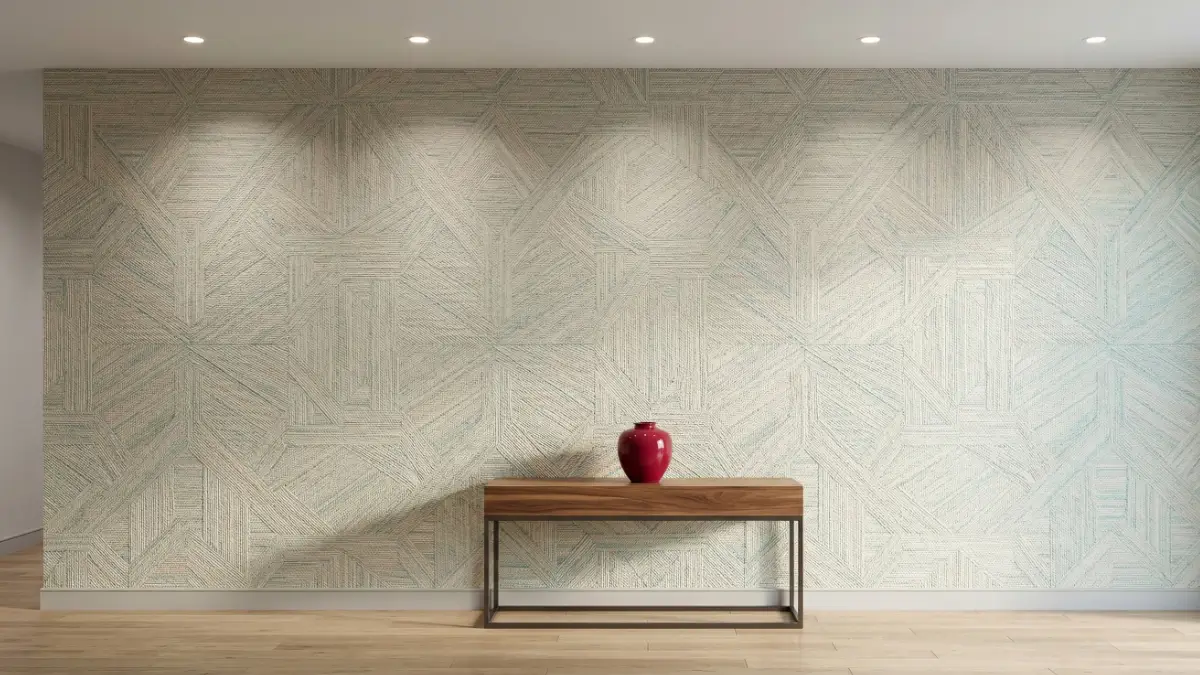
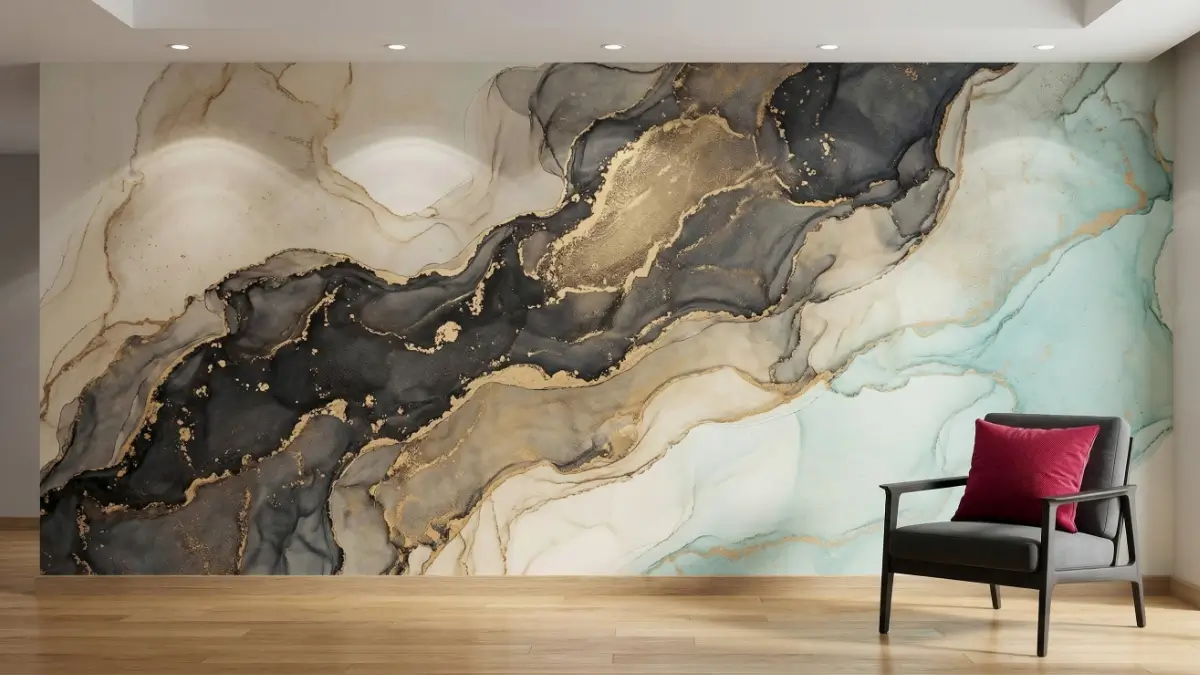
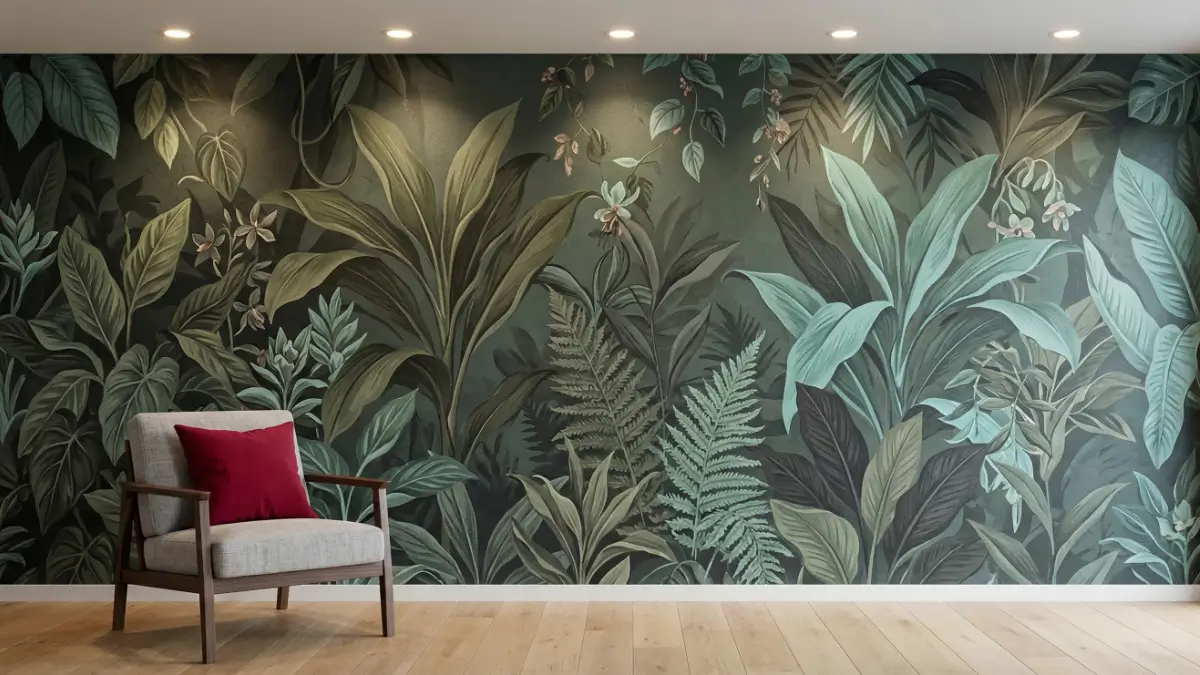
Advanced wall treatments—such as custom-printed murals, textured vinyl coverings, and specialized architectural films—provide durable, high-impact solutions to common interior problems like cracking paint, uneven drywall, and acoustic echoing. By utilizing professional installation, these treatments bypass the traditional pitfalls of DIY wallpapering and endless repainting, guaranteeing a flawless, long-lasting aesthetic.
Beyond the Basics: The True Power of Wall Treatments
Walls are far more than just structural boundaries in a building; they form the absolute visual backdrop of our lives, setting the tone, mood, and architectural ambiance of our living and working spaces. However, over time, standard drywall and basic flat paint inevitably degrade. They become dull, scuffed, damaged by shifting foundations, or simply visually outdated.
This is precisely where the advanced art of wall treatments comes into play. A wall treatment encompasses any material or technique applied to a vertical surface to enhance its aesthetic appeal, durability, or tactile texture. While basic painting is the most common default, the modern interior design industry relies heavily on premium wall coverings to achieve results that liquid paint simply cannot replicate.
Whether you are dealing with glaring surface imperfections, looking to inject vibrant personality into a corporate lobby, or aiming for a complete residential transformation, understanding the advanced materials available is crucial. This guide explores the complexities of premium wall treatments, addresses common installation failures, and explains how professional execution guarantees a masterpiece.
The Pitfalls of Paint: Common Problems and Solutions
Paint is universally viewed as a versatile and cost-effective option for treating walls. However, relying solely on paint for your interior aesthetic comes with a host of long-term maintenance challenges.
Cracks and Flaking Surfaces
Over time, standard acrylic paint will begin to crack, flake, or peel—especially in high-traffic hallways or in rooms that experience fluctuating humidity levels, such as kitchens and bathrooms. This happens when the underlying drywall shifts or when moisture penetrates the paint barrier.
The Fix: You must scrape away all loose paint, fill the cracks with a high-quality joint compound, sand the surface completely flat, and apply a specialized binding primer before applying a fresh topcoat. Alternatively, bypassing paint entirely and installing a heavy-duty, textured wallpaper will physically bridge minor drywall cracks and prevent them from showing through.
Stubborn Stains and Discoloration
Matte and eggshell paints are highly porous. They absorb grease, smoke, and liquid splashes, leading to permanent discoloration that no amount of scrubbing will remove.
The Fix: For severe stains, you must seal the wall with an aggressive, oil-based stain-blocking primer before repainting, the grease will simply bleed through the new coat. For areas prone to high messes, transitioning to a scrubbable, vinyl-coated wall treatment offers a far superior, wipe-clean solution.
Uneven Coverage and “Flashing”
Achieving a smooth, even finish with dark paint colors is notoriously difficult. “Flashing” occurs when the paint dries at different rates, leaving visible roller marks and dull patches across the wall. This is a common DIY nightmare that completely ruins the premium feel of a room.
The Complexities of Wallpaper: Why Installation Matters
To bypass the limitations of paint, homeowners and architects turn to custom wall coverings. Wallpaper has experienced a massive resurgence thanks to incredible advancements in digital printing technology. However, applying these treatments requires exact precision. When amateurs attempt to install high-end materials, several critical failures often occur:
Bubbles and Deep Wrinkles
The most common issue with amateur wallpaper installation is the formation of trapped air bubbles or severe creasing. This occurs due to inadequate wall priming, incorrect adhesive application, or improper smoothing techniques during the hanging process.
The Solution: The paper must be carefully lifted and reapplied before the paste cures, using a professional smoothing tool to push the air outward from the center. If the adhesive dries with a bubble intact, the wall treatment is permanently compromised.
Peeling Edges and Shrinking Seams
Over time, cheap wallpapers or poorly installed panels may begin to peel away at the edges. Additionally, if the paper is not allowed to acclimatize to the room’s humidity before installation, it can physically shrink as the paste dries, leaving glaring gaps between the panels.
Mismatched Patterns
When installing a complex geometric pattern or a sprawling custom mural, achieving a seamless match between panels is paramount. A misalignment of even two millimeters will destroy the optical illusion of the design, making the wall look incredibly sloppy.
The Unique Impressions Solution: Engineered Perfection
The ultimate solution to fixing peeling paint, bubbling paper, and mismatched seams is to remove the guesswork entirely by hiring undisputed industry professionals. When you read about us, you will discover that Unique Impressions has spent over 18 years mastering the complex science of advanced wall treatments.
We do not simply sell rolls of paper; we provide comprehensive, end-to-end interior design solutions. Because we handle our digital printing in-house, utilising the latest European eco-friendly technology, we guarantee that every panel is color-matched and scaled flawlessly to your specific architectural dimensions.
More importantly, our dedicated in-house installation teams execute the final vision. We meticulously prepare the underlying drywall, utilize the correct commercial-grade adhesives, and align every seam with microscopic precision. We guarantee a VIP finish that will not bubble, peel, or shrink.
Commercial Applications: Durability Meets Design
Advanced wall treatments are not limited to residential bedrooms. In the corporate sector, the durability and aesthetic impact of your walls directly reflect your company’s professionalism.
We utilize heavy-duty, scratch-resistant wall coverings for massive corporate branding and fabrication rollouts, ensuring reception areas and boardrooms look immaculate for years. Furthermore, we frequently pair these high-impact wall treatments with custom vinyl window films, applying frosted or branded graphics to glass partitions to create cohesive, private, and highly stylized office environments.
Stop Fighting Your Walls. Let the Experts Transform Them.
Wall treatments are the most crucial element in shaping the architectural feel of your interior spaces. Whether you opt for the timeless luxury of a textured covering or the striking impact of a custom-printed mural, understanding how to apply these materials correctly is the difference between an amateur DIY project and a breathtaking masterpiece.
Ready for a flawless finish?
Want to see the difference professional installation makes? Browse our high-resolution portfolio, or watch our teams execute flawless transformations daily on Instagram, TikTok, and YouTube.
Frequently Asked Questions About Wall Treatments
1. What is the difference between a wall treatment and regular paint?
Regular paint applies a thin, flat layer of color to a surface. A wall treatment encompasses advanced materials—such as textured vinyls, custom-printed murals, fabric coverings, or architectural films—that add physical depth, extreme durability, and complex patterns that liquid paint cannot achieve.
2. Why is my newly installed wallpaper bubbling?
Wallpaper bubbles usually occur due to a lack of proper wall priming (sizing), uneven application of the adhesive, or failing to use a professional smoothing tool to push trapped air out from the center of the panel during the installation process.
3. Can a wall treatment hide bad, uneven drywall?
Yes. If your drywall is older, slightly uneven, or features minor hairline cracks, utilizing a thick, heavily textured wall treatment (like a faux grasscloth or an embossed vinyl) is an excellent way to bridge and completely camouflage those architectural imperfections.
4. How do I fix peeling wallpaper seams?
To fix a peeling seam, you must carefully lift the edge, apply a small amount of specialized seam adhesive (not standard paste) using a fine brush, press the paper firmly back into place, and flatten it with a wooden seam roller. Wiping away excess glue immediately is critical to prevent staining.
5. Are custom wall treatments suitable for commercial office spaces?
Absolutely. Commercial wall treatments are specifically engineered for high-traffic environments. Professional suppliers utilize heavy-duty, commercial-grade vinyl substrates that resist scratching, fading, and staining, making them ideal for busy corporate lobbies, hallways, and boardrooms.
173 Views